Analysis of GWTC-3 with numerical relativity surrogate models
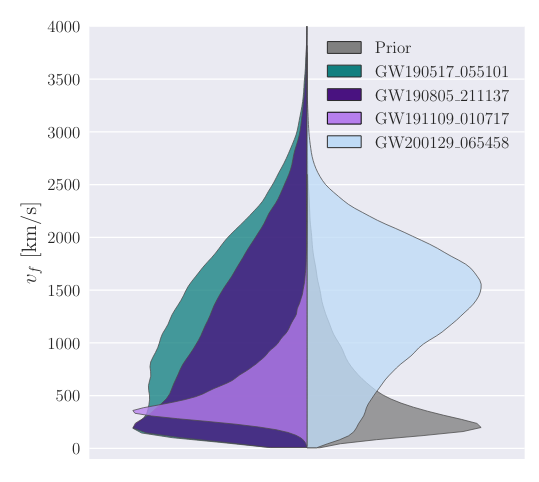
Evidence of large recoil velocity from a black hole merger signal
Publications: arXiv.2309.14473;
Data Analysis, Rapid Parameter Estimation, and Testing GR
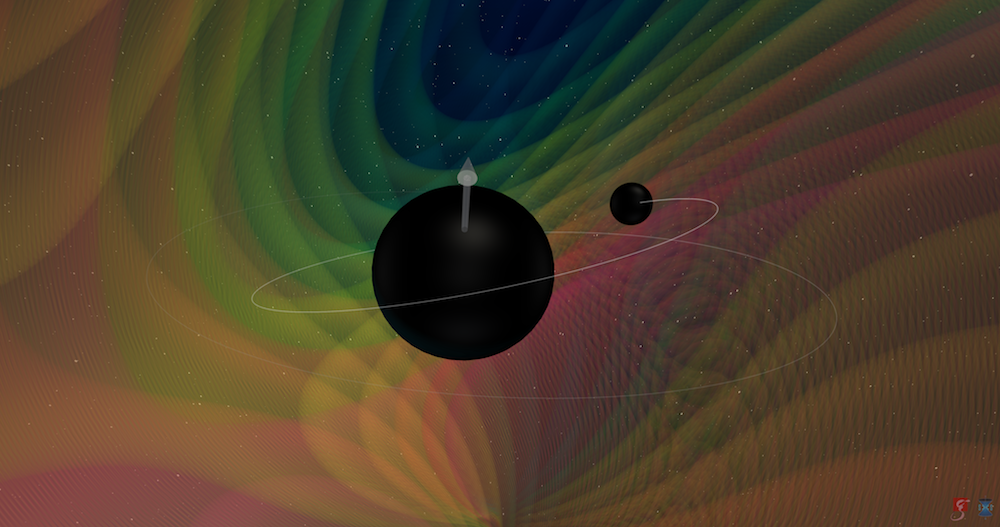
Once these surrogate models are available, I use Bayesian Inference to analyze the detected GWs signals and extract properties of the black-holes. My recent work has shown that using these surrogate models provide more information about the black hole progenitor system than what other models are able to offer.
Evidence of large recoil velocity from a black hole merger signal
Publications: arXiv.2309.14473;
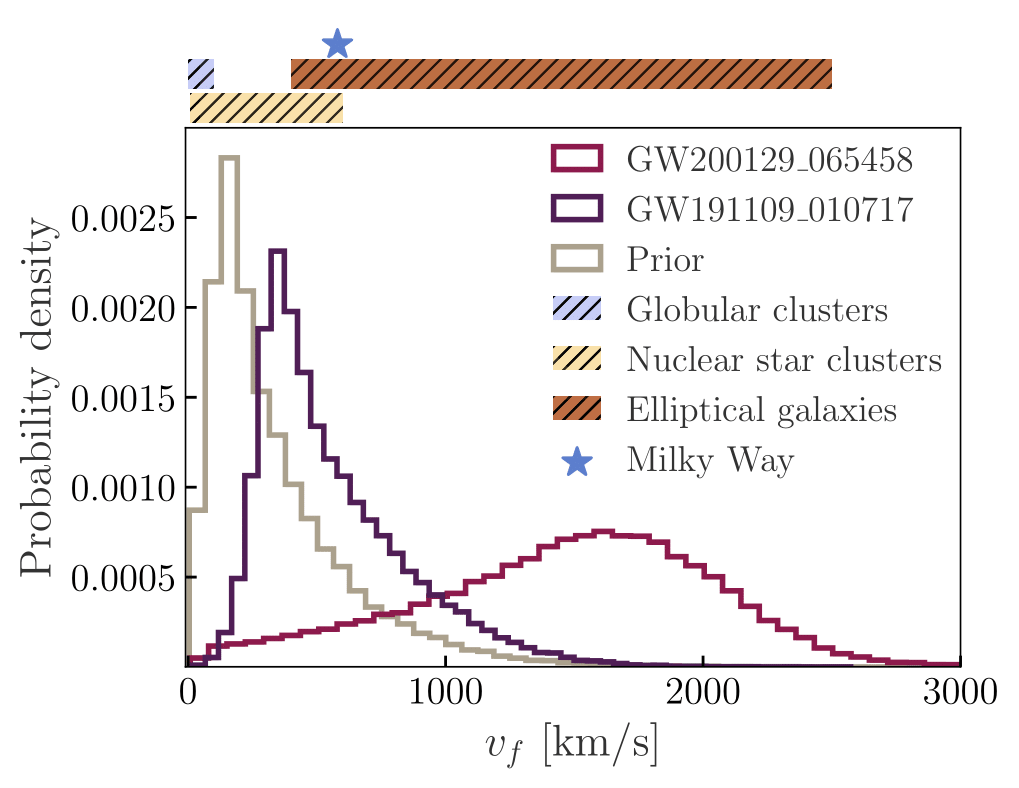
Evidence of large recoil velocity from a black hole merger signal
Publications: arXiv.2201.01302;
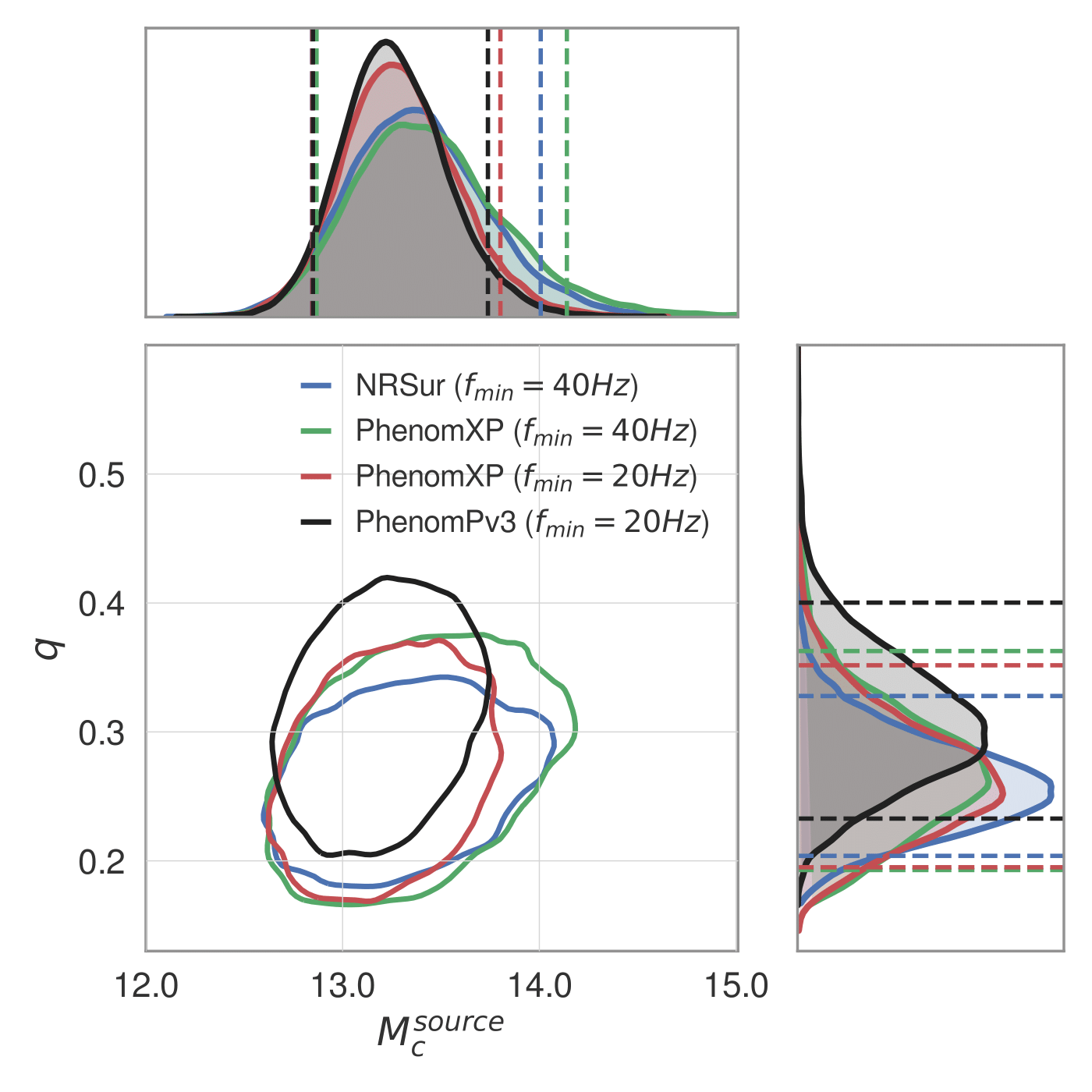
Improved analysis of GW190412 with aprecessing numerical relativity surrogate waveform model.
Publications: arXiv.2010.04848;
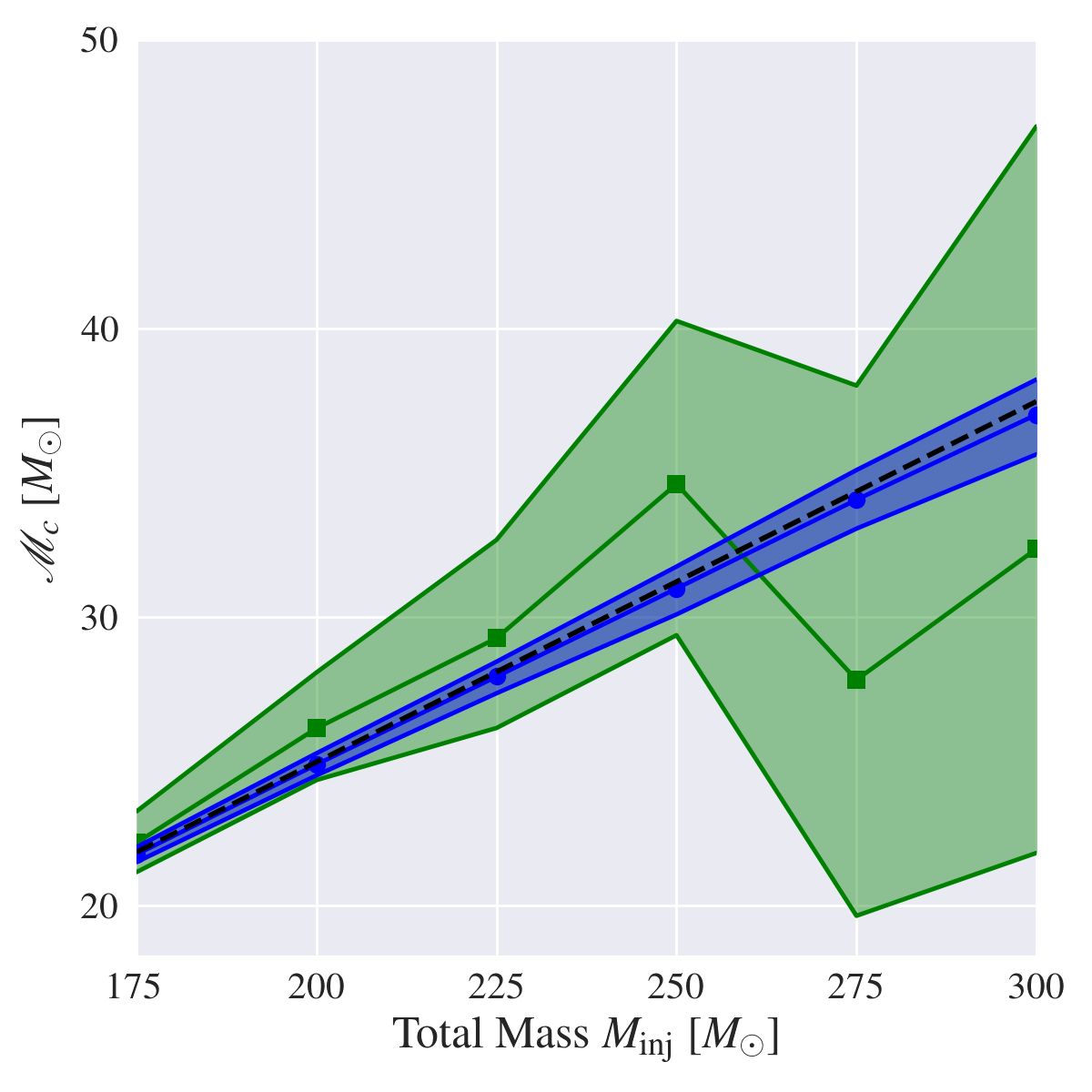
Detectability and source characterization of intermediate mass-ratio black hole coalescences with gravitational waves: The importance of higher-order multipoles
Publications: arXiv.2105.04422;
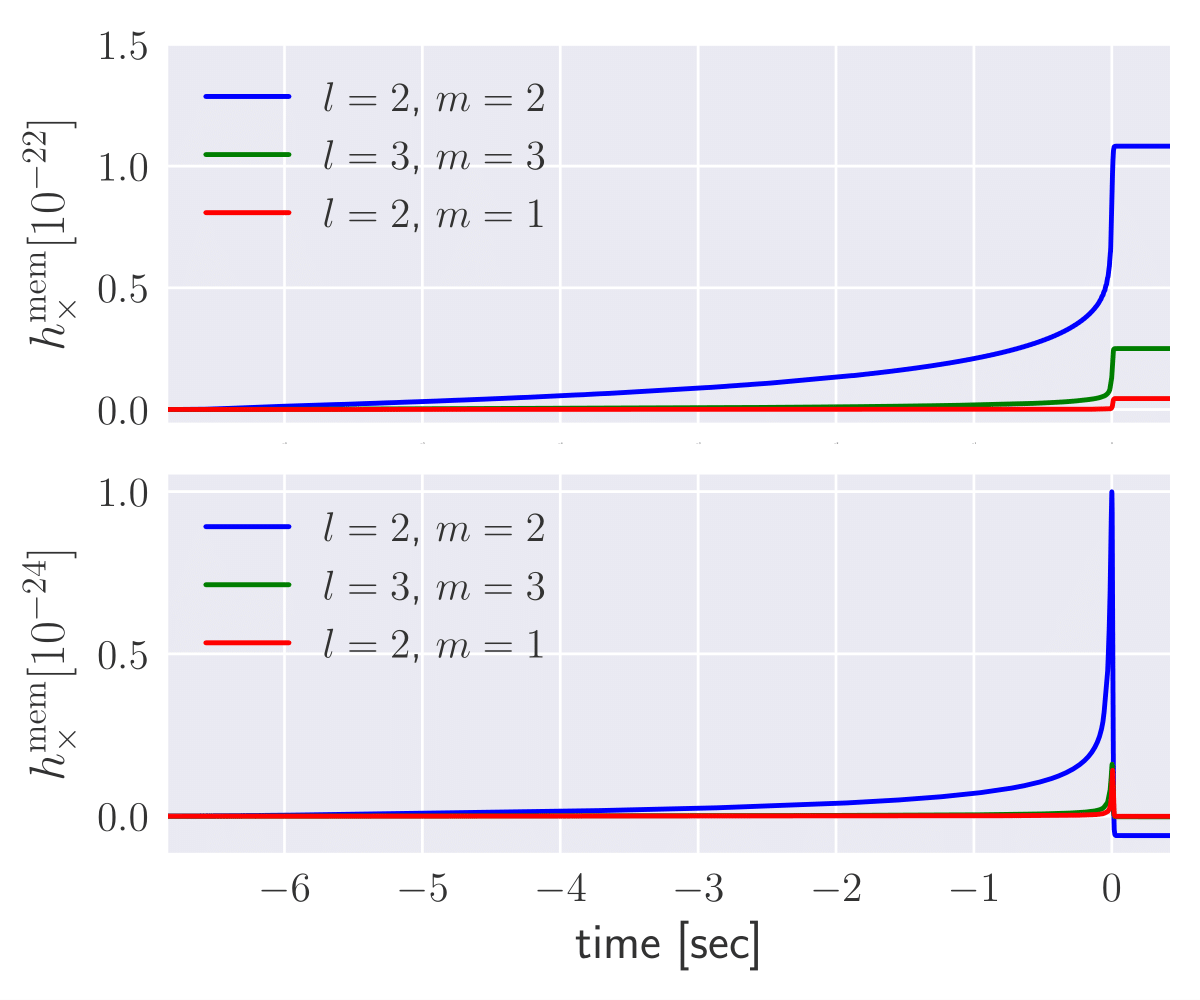
Survey of gravitational wave memory in intermediate mass ratio binaries.
Publications: arXiv.2109.00754
Estimating the source properties of the GW signal is generally done through Bayesian Inference using either Monte-Carlo-Markov-Chain (MCMC) or nested sampling. Such methods are extremely expensive and take days (weeks) to analyze a binary-black-hole signal (binary-neutron-star signal). This is a bottleneck for possible electromagnetic follow-ups which requires accurate sky localization of the binary. Here, with my collaborators, I work on building rapid and accurate parameter estimation framework.
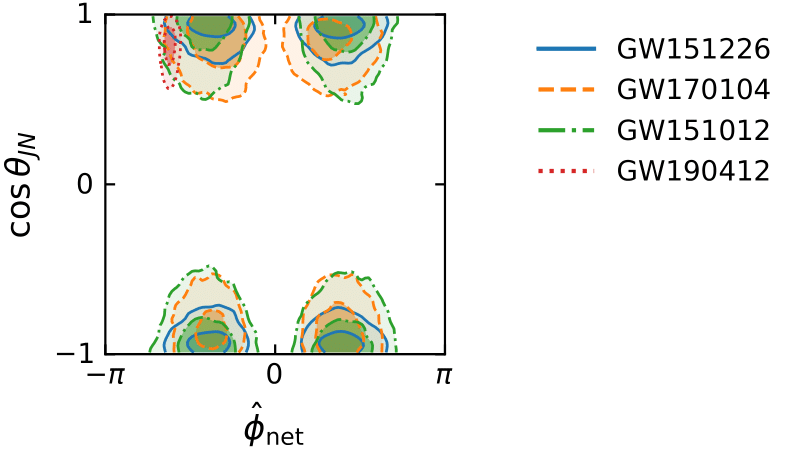
Removing degeneracy and multimodality in gravitational wave source parameters.
Publications: arXiv.2207.03508;
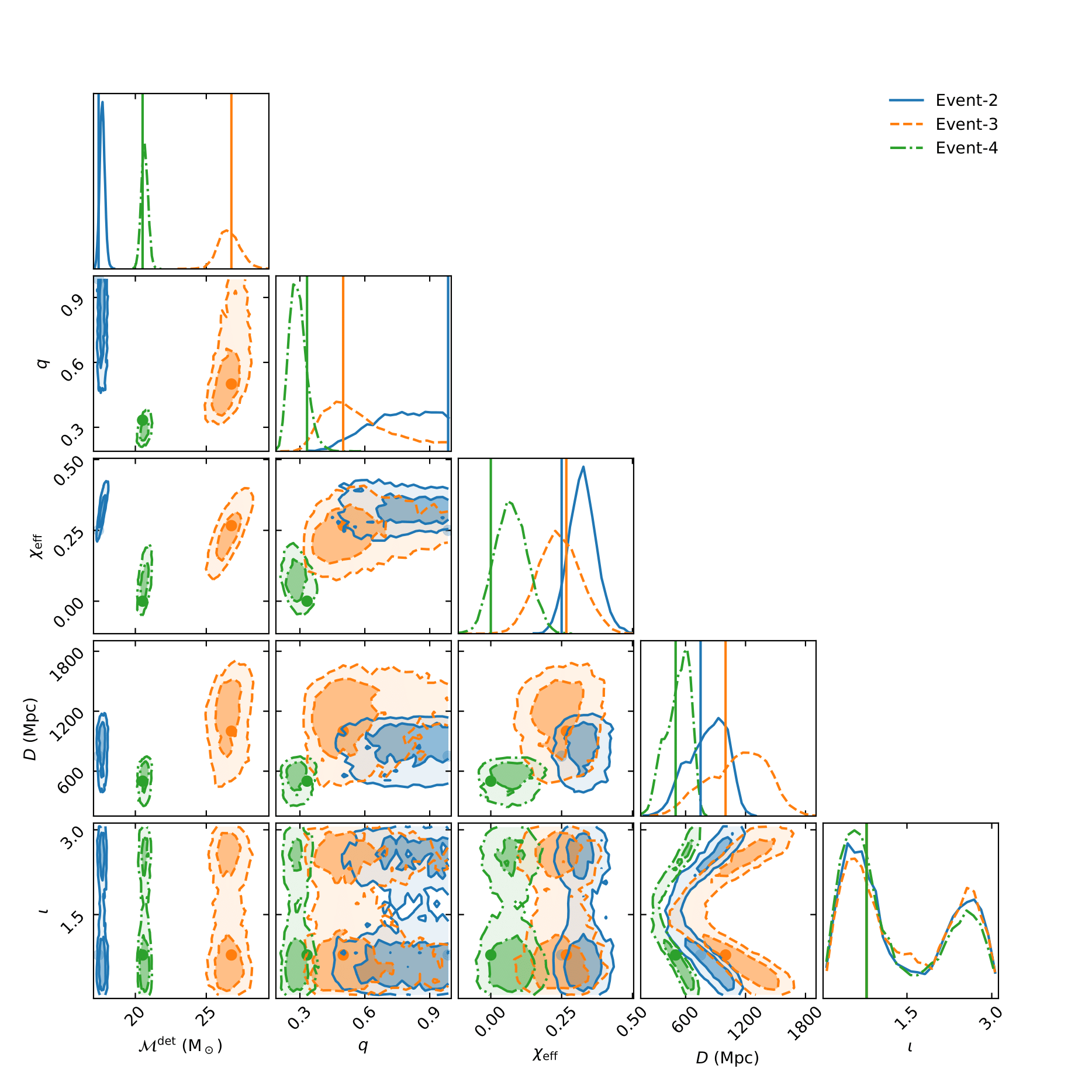
Framework to analyze an aligned-spin quadruplar BBH signal in ~200 seconds and BNS signal in ~250 seconds using one computing core.
Publications: arXiv.2210.16278;
An important next step is to use the extracted information about the merging black-holes to test Einstein's general relativity (GR). This constitutes the third front of my research. With my collaborators, I work on developing efficient tests that can identify any departure from GR.
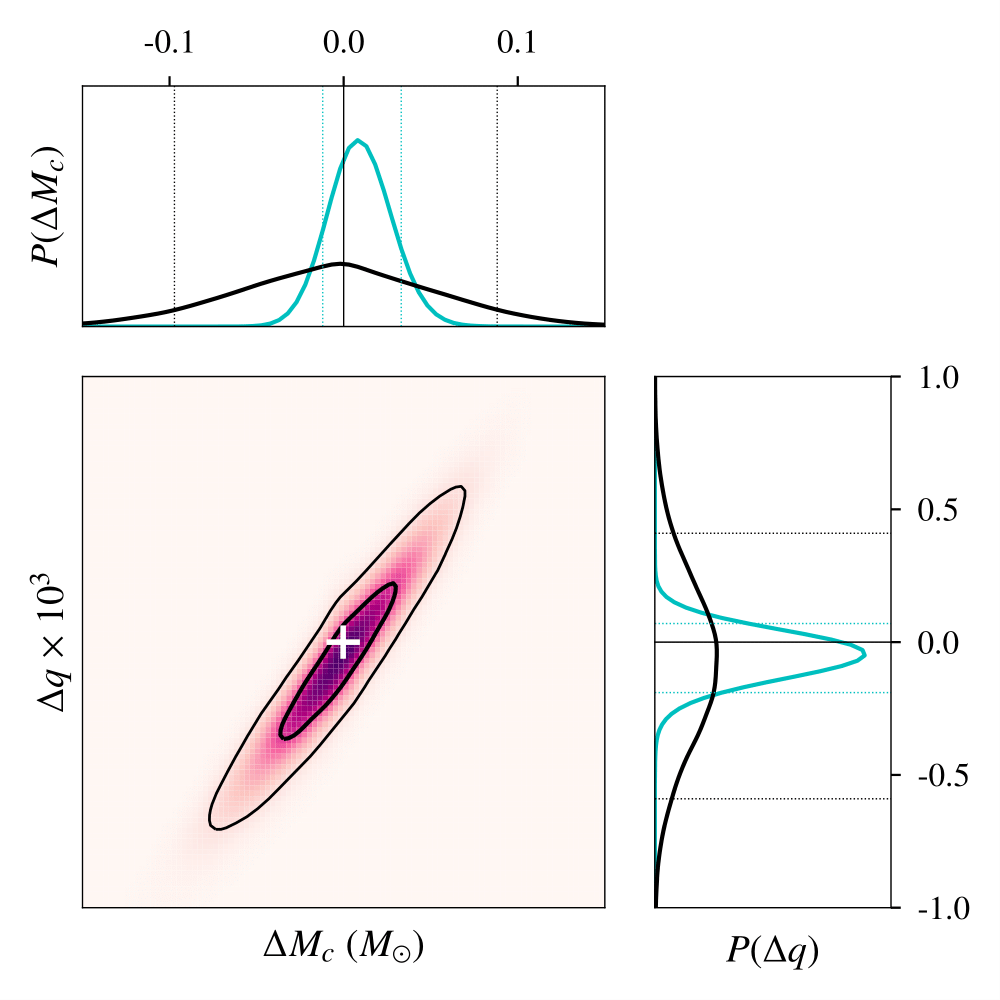
Testing the "no-hair" nature of binary black holesusing the consistency of multipolar gravitational radiation.
Publications: arXiv.1910.14259;
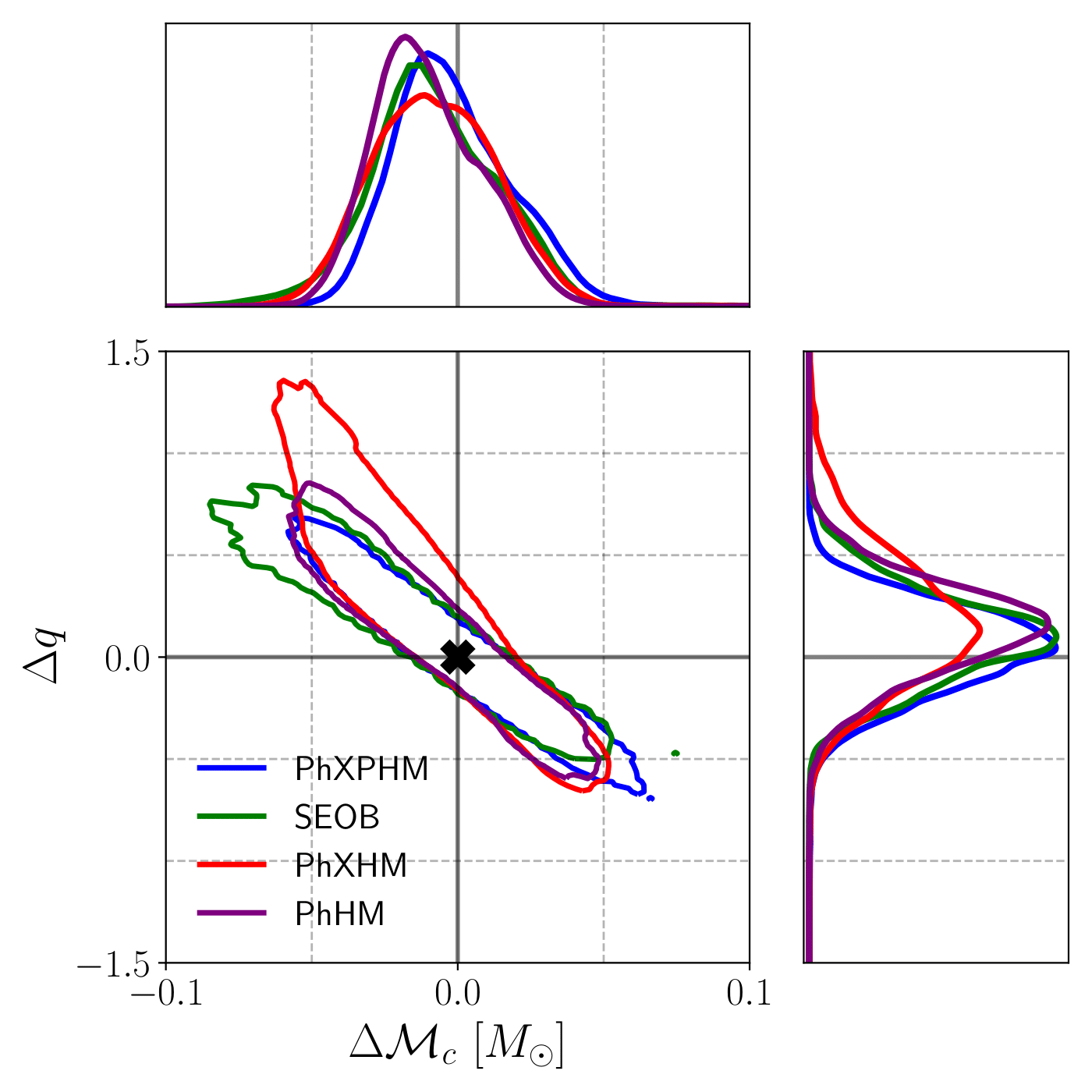
Applying higher-modes consistency test on GW190814 : lessons on no-hair theorem, nature of the secondary compact object and waveform modeling
Publications: arXiv.2111.00111;